Use case
Closet Humidity Smell: Practical First Checks
Use this guide when closet humidity smell is the closest description of the problem and you need a practical next step, not a pile of possible causes.
Last reviewed: 2026-07-29
What To Check Before You Act
The problem in plain terms
Closet Humidity Smell is a Smells Like Wood diagnostic guide for closet humidity smell that matches the odor pattern to the likely source before choosing a product or fix.
The short version
Closet Humidity Smell needs a symptom-first check. Look at where the smell is strongest while the space is empty, whether moisture is present, and whether the odor returns after ventilation; then choose the guide, tool, product, setting, or repair path that matches the confirmed clue.
When the odor is close but not quite the same, compare this with Start from the main guide and Musty Closet Smell so the next step follows the source instead of covering the smell.
What matters most
- The odor reservoir matters more than the broad smell name.
- Start with the checks that are visible, reversible, and easy to repeat.
- This guide includes 3 public source boundaries and 5 frequently asked questions.
- The page was last reviewed on 2026-07-29.
How to choose the next step
- If the clue repeats after a normal reset, treat the underlying source as still present.
- If visible mold, water intrusion, strong chemical exposure, symptoms, or damage appears, stop casual troubleshooting.
- If the product or tool does not match the confirmed source class, skip it.
When the clue changes the path
| Condition | Threshold | Meaning |
|---|---|---|
| Repeat pattern | Returns after ventilation, drying, washing, or isolation | The source probably remains active. |
| Safety boundary | Any visible mold, leak, strong irritation, or worsening symptoms | Use safety guidance or professional help instead of casual deodorizing. |
| Evidence support | At least 3 public source boundaries on eligible specific guides | The advice should stay inside named source limits. |
Checks worth doing first
- Name the exact repeat pattern
- Start with the checks you can reverse
- Compare it with the main guide
- Retest before you call it solved
How it plays out
If closet humidity smell returns after a simple reset, use the source clues and the risk boundary before choosing products or masking the odor.
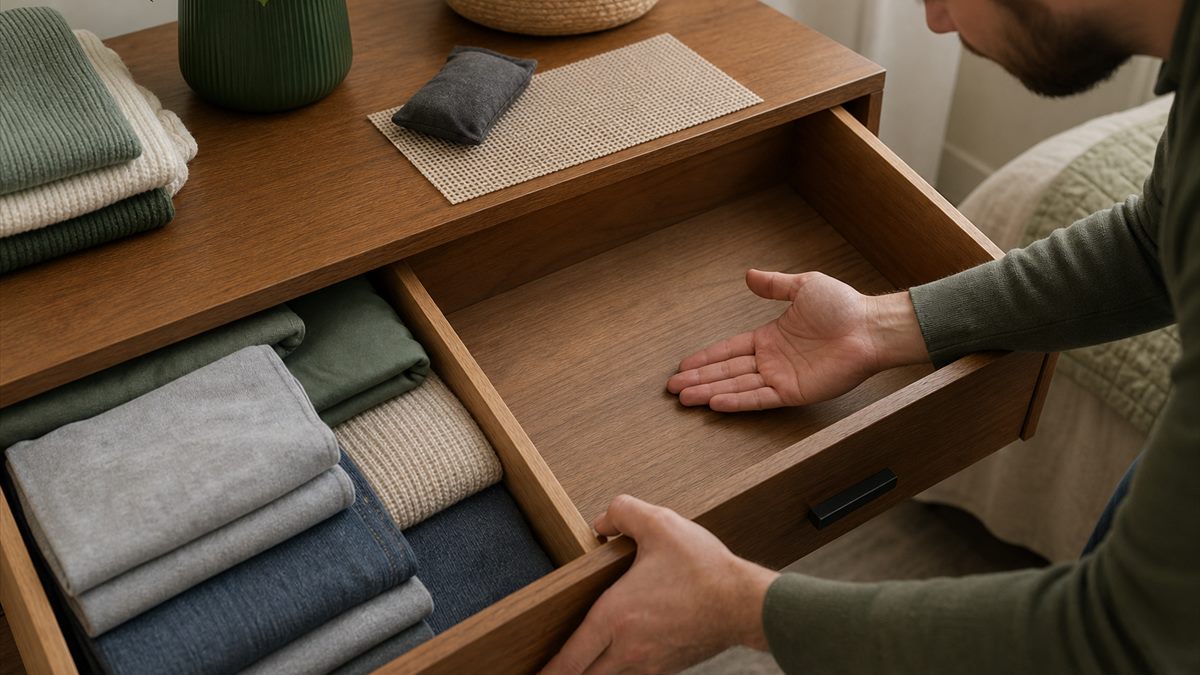
What closet humidity smell Usually Points To
Closet Humidity Smell usually becomes clearer when you separate the repeatable clue from the distracting symptom. The useful evidence is where it happens, when it returns, and what changed right before it started.
Start with where and when
Write down when closet humidity smell appears, what changed beforehand, and whether it repeats after a normal reset.
Do not treat the loudest symptom first
The obvious fix can miss the source. Confirm the moisture, closed storage air, old wood, fabric residue, new finish, or low ventilation clue before you spend time or money.
Let the repeatable clue choose the path
If the clue does not repeat, keep the next step reversible and compare it with the main odor diagnosis guide.
A Practical Order That Keeps You Out Of Guesswork
Work from the outside in: confirm the pattern, check the safest causes, then retest before escalating.
Name the exact repeat pattern
Note when it happens, where it is strongest, what changed recently, and whether it comes back after a reset.
Start with the checks you can reverse
Use visible clues and simple measurements before opening parts, applying products, or assuming the expensive cause.
Compare it with the main guide
If the evidence points to a broader pattern, use the main odor diagnosis guide rather than forcing this page to answer everything.
Retest before you call it solved
A fix counts only when the same condition improves after the original situation is repeated.
How To Read The Clue
| Clue | What it means | Next step |
|---|---|---|
| It appears after one clear trigger | The trigger is part of the diagnosis. | Repeat the condition once, carefully, with and without that trigger. |
| It returns after a reset | The source is probably still active. | Move from quick recovery to source diagnosis. |
| The timing changes | You may be chasing a symptom instead of the cause. | Step back to the main odor diagnosis guide and choose the better path. |
| A safety boundary appears | This is no longer casual troubleshooting. | Stop and use qualified help or official guidance. |
Tools And Products That Actually Fit
Absorbers, washing changes, ventilation, or source cleaning only help when they match the odor reservoir you found.
When To Stop And Get Help
Stop the casual checks when visible mold, leaks, damp drywall, strong chemical irritation, or worsening symptoms appears. That boundary is part of the diagnosis, not a failure.
Helpful products if they fit
You may not need to buy anything. If a product genuinely matches the source diagnosis, some links may earn a small commission at no extra cost to you. Skip anything that does not fit what you found.
Moso Natural Air Purifying Bag 200g
For closed drawers, closets, and cupboard odor
A fragrance-free odor absorber fits pages where the reader has confirmed a closed storage space is holding the smell.
Fits when the odor source is a closed drawer, closet, or cupboard and the reader wants a low-fragrance next step.
Skip if the space is wet, visibly moldy, or needs cleaning before odor absorption.
Check fit on AmazonMoso Natural Air Purifying Bag 600g
For larger rooms with old-furniture odor
A larger fragrance-free odor absorber fits room-scale odor pages after ventilation and source checks.
Fits when the odor is room-scale and the reader has already opened, aired, or isolated likely furniture sources.
Skip if the smell is chemical-heavy, wet, or tied to visible mold.
Check fit on AmazonLEVOIT Core 300-P Air Purifier
For room-scale air movement and filtration support
An air purifier fits new-furniture odor pages only as supporting air-quality help after source and ventilation guidance.
Fits when the reader needs room-scale air support while reducing source exposure and ventilating.
Skip if the page problem is a hidden moisture source or a return-window decision rather than room air support.
Check fit on AmazonConcrobium Mold Control Spray
For pages where mold control may fit after source checks
A mold-control product belongs only on pages where moisture or mildew is plausible and the reader has checked safety boundaries.
Fits when the problem is musty, moisture-related, and compatible with the product label.
Skip if the area is large, porous, water-damaged, or needs professional remediation.
Check fit on AmazonSources and limits
This page uses public sources as boundaries for practical advice. It does not claim lab testing, a survey, a professional inspection, or a guaranteed diagnosis.
- EPA mold and moisture guidance: moisture control and mold cleanup boundaries
- CDC mold health guidance: health-sensitive mold and dampness context
- EPA guide to VOCs indoors: new furniture, finishes, adhesives, and indoor VOC boundaries
Frequently asked questions
What should you check first for closet humidity smell?
Start with the pattern and the safest check. If the clue does not clearly match this situation, use the broader guide rather than forcing a narrow fix.
What mistake wastes the most time?
Treating the symptom before the moisture, closed storage air, old wood, fabric residue, new finish, or low ventilation clue is clear. Start with the repeatable clue, then choose the fix.
When should I stop troubleshooting this myself?
Stop when visible mold, leaks, damp drywall, strong chemical irritation, or worsening symptoms appears.
What tool or product fits this situation?
Ventilation, moisture control, charcoal, washing reset, or product return only helps when the source class is clear.
Which guide should I use next?
Use the main odor diagnosis guide when the evidence does not clearly match this narrower situation.